Building Your Retirement Network: How to Grow And Invest In Your Relationships
Last blog we talked about the social drift that retirement can bring — the quiet way that a rich work-based social life can thin out once the daily infrastructure of a career is no longer holding it together.
This post is the practical follow-up. Because naming the gap is useful, but knowing what to actually do about it is better.
The good news, stated plainly: building a meaningful social life in retirement is entirely doable. It takes some intention, a reasonable tolerance for trying things before they feel natural, and a willingness to let connection grow at its own pace. What it does not require is a personality transplant, an exhausting social calendar, or starting from scratch in ways that feel overwhelming.
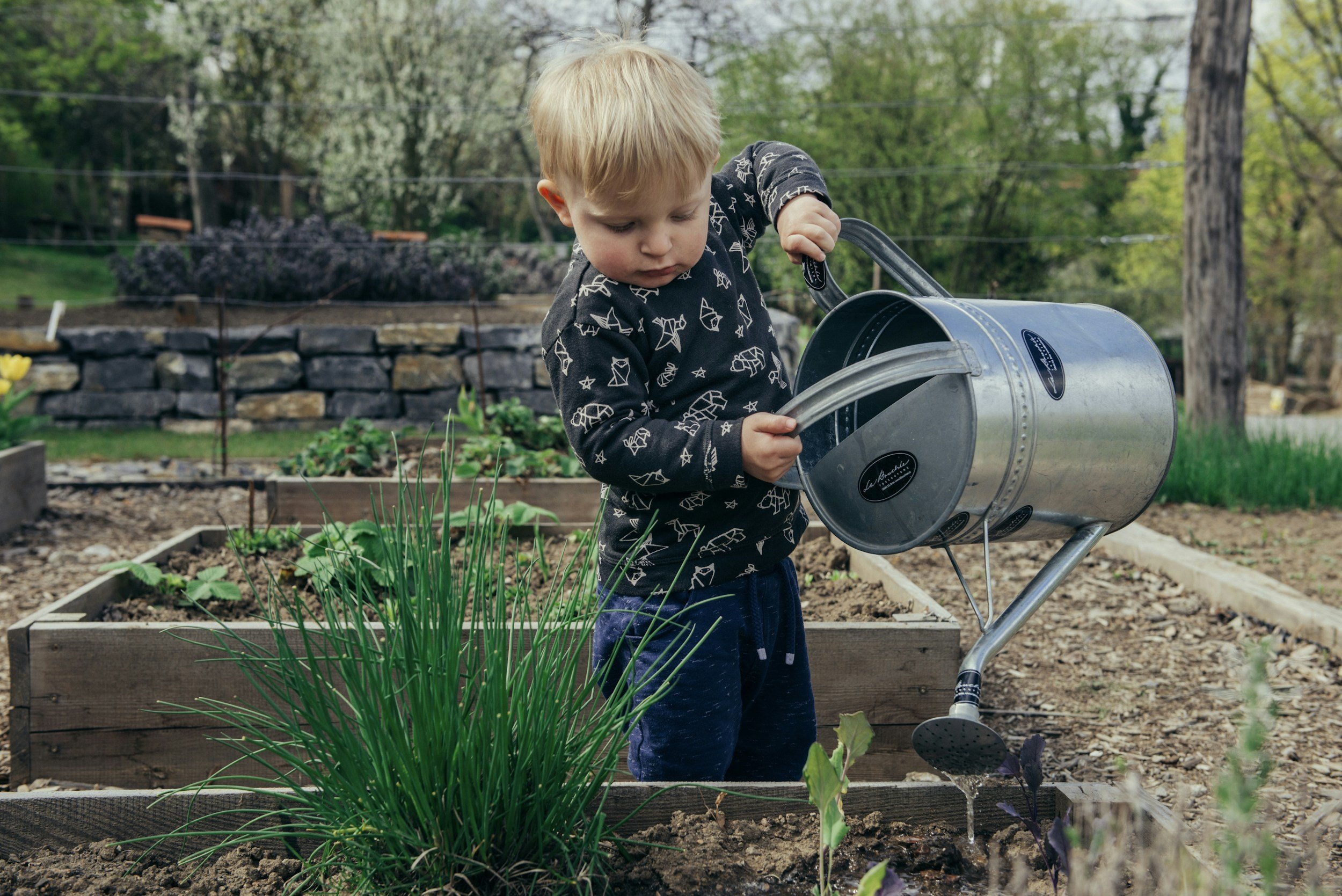
This is less of building a network and more like tending a garden.
Start With What You Actually Enjoy
The most sustainable social connections in retirement tend to grow from shared activity rather than shared intention. Joining a group specifically to make friends is a reasonable instinct, but it can feel effortful in ways that dampen the experience. Joining a group because you genuinely want to do the thing the group does — and finding that friends emerge from that — works much better.
This means the first question is not “where can I meet people?” but “what do I actually want to be doing?”
Your social life follows activities, not the other way around.
If you’ve always been curious about something — a craft, a sport, a subject, a cause — this is an excellent moment to pursue it with some regularity. Recurring engagement with the same people around a shared interest is how most good friendships begin. It gives you something to talk about that isn’t the weather, repeated contact that builds familiarity, and a natural reason to keep showing up.
The Power of Recurring Engagement
If there is one principle that underlies almost every piece of practical advice about building community in retirement, it’s this: recurring contact with the same people over time is the engine of connection. And, sustainable friendships is the power output.
One-off events are pleasant but rarely generative. When you’re evaluating what to commit to, this is a useful filter.
Does this create regular contact with the same people?
If yes, it has genuine community-building potential. If it’s more episodic, it may enrich your life in other ways but is less likely to generate the steady social fabric you’re building.
Some Specific Starting Points for Growing a Social Group
If you’re not sure where to begin, here is a practical starting point for people who want to move from thinking about this to actually doing something about it.
Learning environments. They attract curious people at a similar life stage and create the recurring contact that matters. The learning itself is nourishing; the community that forms around it is the unexpected bonus.
Volunteer roles with structure. Many retirees find that their volunteer roles become one of the most reliably meaningful parts of their week.
Activity-based groups. Running clubs, garden clubs, choir, amateur theater, bridge, golf leagues, hiking groups, birding walks — the specific activity matters less than the regularity and the shared activity.
Faith and spiritual communities. The connections that form in these communities often become among the most durable of retirement.
Neighborhood and local investment. This one is easy to overlook but genuinely valuable. Knowing your neighbors — not just recognizing their faces, but actually knowing them — creates a layer of daily connection that sustains the fabric of ordinary life in ways that go beyond friendship.
Be Aware: A Note on Patience
The friendships you have with people you’ve known for twenty years were new once. They got there gradually, through accumulated shared experience, through the small moments that built up over time into something substantial.
New connections in retirement take time to deepen.
The connections you’re building now will follow the same path. They just need the same conditions: regular contact, a little openness, and enough time for something real to grow.
A Practical Starting Point
Here is an entirely manageable place to begin:
Choose one activity you’ve been curious about or have been meaning to pursue. Something that meets regularly and involves the same group of people.
Commit to it for at least six weeks before you evaluate whether it’s working. First impressions of groups are often misleading in both directions.
While you’re there, focus on the activity rather than the social outcome. Let the connections be a byproduct rather than the goal.
In parallel, reach out to one person in your existing life whose company you genuinely enjoy and make a specific plan — not “we should get together” but an actual date, an actual thing.
That’s it. Two moves. Both, done consistently, have more impact than people expect.
Your Network, Your Design
Your social ecosystem — the particular constellation of relationships, communities, and regular connections - makes a life feel inhabited and sustained.
Everybody’s network looks different. What matters is that it reflects what you actually value. That it grows not by accident but by choice.
You built a career. You built a family. You built a home. You are entirely capable of building this.
And the building of your retirement community, as it turns out, is one of the more enjoyable projects this chapter has to offer.
© 2026 Spring Tide Coaching. All Rights Reserved.