I’ve given a modest proposal to a few retirees: learn something genuinely difficult in retirement.
I don’t recommend a variation of something they are already pretty good at. Rather, something that makes them feel, at least initially, like a complete beginner — which is to say, something that makes them feel completely really engaged, alive and, maybe, awe.
Adults are remarkably reluctant to be beginners. Decades of competence produce an expectation of being reasonably good at things. But being genuinely new at something — starting from zero — produces a different of attention and engagement. When I don’t know what I’m doing, I have to pay attention to everything. The small wins feel earned. The mistakes are informative as painful as they can feel. Especially to someone who is very uncomfortable with disappointing others and myself.
If you ask anyone who picked up an instrument at sixty or started learning a language at sixty-five. The almost universal answer isn’t “it was hard.” It’s “I had no idea it would be this interesting.”
What Qualifies
Something that makes you feel like a beginner. The category matters less than the experience of genuine challenge. A few that tend to deliver:
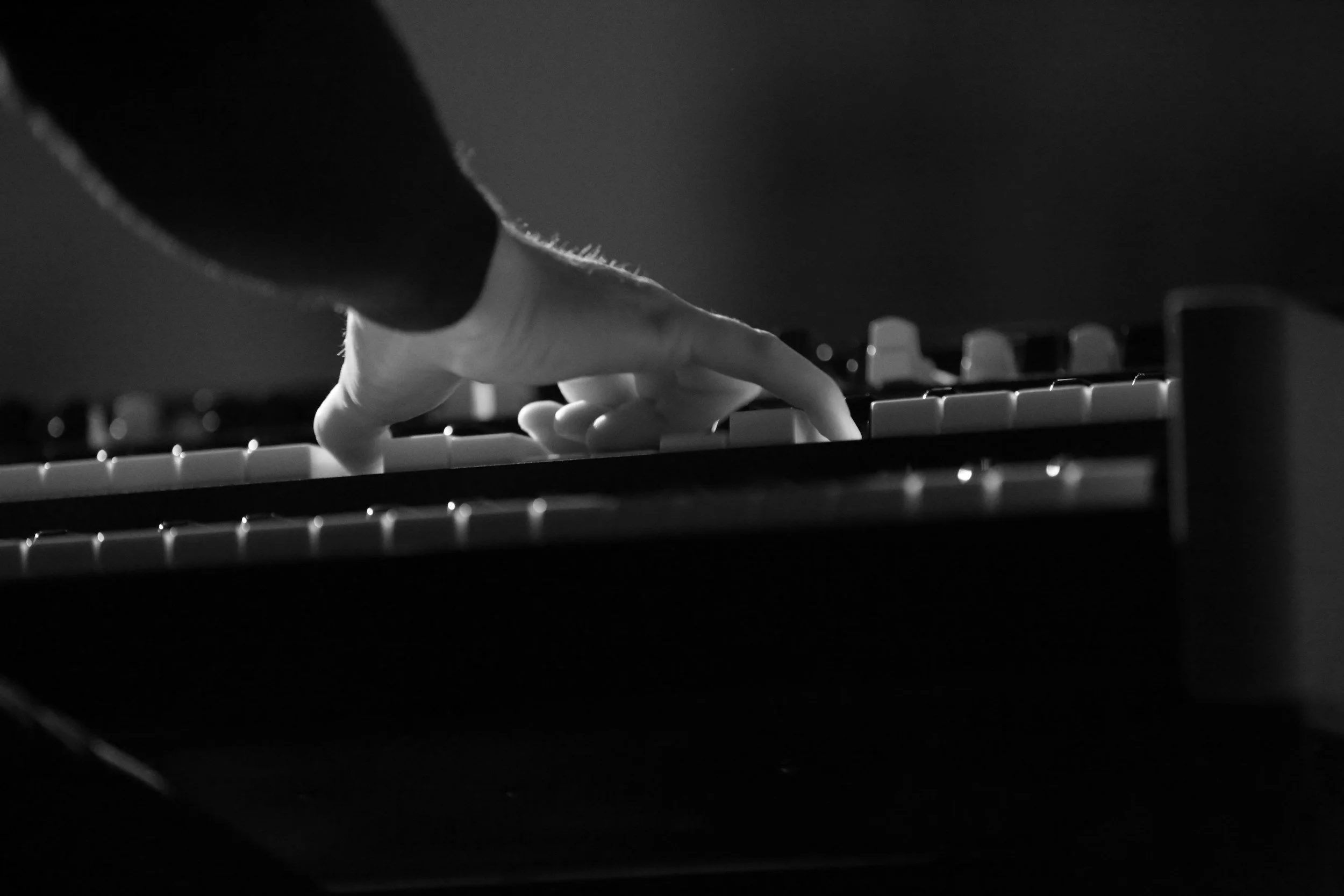
A musical instrument — almost universally humbling at the start, and almost universally rewarding once the bewilderment gives way to something resembling progress.
A new language — engaging in ways that feel like a puzzle worth solving, with the occasional small delight of understanding something you didn’t expect to.
A physical skill with technique — rock climbing, sailing, dance, fly fishing. Anything where the body has to learn what the mind can’t simply reason its way through.
A creative practice with craft — drawing, ceramics, woodworking, writing. The gap between what you can see and what you can currently produce is not frustrating. It’s the thing that keeps you coming back.
The Permission You May Not Have Given Yourself
You do not have to be good at this. You do not have to produce anything worth showing anyone. You are allowed to learn something simply because it interests you, struggle with it simply because that’s what learning feels like, and enjoy it precisely because nobody is evaluating your progress except you.
Pick something hard. Start badly. Keep going. That’s the whole plan, and it turns out to be quite a good one.
© 2026 Spring Tide Coaching. All Rights Reserved.